Sciatica can make simple activities such as sitting, walking, driving, bending, and sleeping uncomfortable. The pain may begin in the lower back or buttock and travel down one leg, sometimes accompanied by tingling, numbness, or weakness.
If you are searching for chiropractic treatment for sciatica in Cuttack, understanding the cause of your symptoms and choosing an appropriate treatment plan are important first steps.
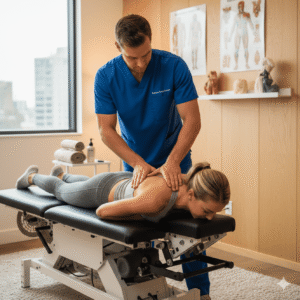
At ActiveRehab Chiropractic & Osteopathy Centre in Cuttack, chiropractic care may be considered alongside physiotherapy and rehabilitation when clinically appropriate. Treatment should be based on an individual assessment rather than assuming that every case of sciatica has the same cause.
What Is Sciatica?
Sciatica describes pain and other symptoms associated with irritation or compression of the sciatic nerve or its contributing nerve roots.
The sciatic nerve originates from nerve roots in the lower spine and travels through the buttock and down the leg.
Common symptoms include:
- Pain travelling from the lower back into the buttock or leg
- Burning or shooting pain
- Tingling or pins-and-needles
- Numbness in parts of the leg or foot
- Discomfort that increases during certain activities
- Difficulty sitting, walking, or bending comfortably
Sciatica often affects one leg, although the pattern and severity of symptoms vary depending on the underlying cause.
What Causes Sciatica?
Identifying the cause helps determine which treatment options are suitable.
1. Herniated or Bulging Disc
A lumbar disc may irritate a nearby nerve root, producing pain that travels into the buttock or leg. Not every disc bulge causes symptoms, so examination findings must be considered alongside imaging.
2. Lumbar Spinal Stenosis
Narrowing of the spinal canal or nerve passageways may contribute to leg pain, numbness, or difficulty walking, particularly in some older adults.
3. Degenerative Spinal Changes
Changes in spinal discs and joints can sometimes contribute to nerve irritation. These findings need to be interpreted in the context of the patient’s symptoms.
4. Musculoskeletal Problems
Hip or buttock conditions can sometimes produce pain that resembles sciatica. A clinical assessment helps distinguish these conditions from nerve-root problems.
When Should You Consider Chiropractic Treatment for Sciatica in Cuttack?
Consider a professional assessment if you experience:
- Recurrent lower back pain with leg pain
- Pain that travels below the knee
- Difficulty sitting for long periods
- Discomfort while bending or walking
- Persistent tingling or altered sensation
- Back and leg pain that interferes with work or daily activities
A healthcare professional should assess persistent, severe, or worsening symptoms before treatment begins. If nerve involvement is suspected, a neurological examination is particularly important.
What to Expect During Your First Chiropractic Consultation
Your first appointment should begin with understanding your symptoms and medical history.
Detailed Clinical History
Your practitioner may ask:
- When did the pain begin?
- Does the pain travel into your buttock, thigh, calf, or foot?
- Do you experience numbness or tingling?
- What makes the pain better or worse?
- Have you had a previous back injury?
- Have you undergone an MRI or other investigation?
- Have you tried medication, physiotherapy, or other treatments?
This information helps guide the examination and determine whether chiropractic treatment is appropriate.
Physical and Neurological Assessment
Depending on your symptoms, the assessment may include:
- Lower-back and hip mobility
- Muscle strength
- Sensation and reflexes, when indicated
- Walking and functional movement
- Nerve-related clinical tests
- Posture and movement patterns
If your symptoms suggest a serious condition or require further investigation, you may be referred to an appropriate medical specialist.
How Can Chiropractic Care Help Sciatica?
Chiropractic care uses manual techniques intended to address selected musculoskeletal problems.
For some people with lower-back pain, appropriate manual therapy may provide short-term improvements in pain and mobility. However, evidence for chiropractic treatment specifically for sciatica varies, and it should not be presented as a guaranteed way to remove nerve compression or cure a disc problem.
Depending on the assessment, a treatment plan may include:
Chiropractic Manual Techniques
Selected spinal or joint techniques may be considered when appropriate for the patient’s condition. The technique should be modified or avoided when examination findings indicate that manipulation may not be suitable.
Soft-Tissue Treatment
Manual soft-tissue techniques may be used to address associated muscle discomfort and movement limitations when appropriate.
Movement and Mobility Exercises
Gentle, individualized exercises may help maintain comfortable movement and gradually improve activity tolerance.
Rehabilitation and Strengthening
Progressive exercises may be introduced to improve strength, movement control, and the ability to perform everyday activities.
The most appropriate combination depends on the diagnosis, symptom severity, and response to treatment.
Chiropractic Treatment and Physiotherapy for Sciatica
For some patients, combining appropriate hands-on care with physiotherapy may offer a more comprehensive approach than relying on manual treatment alone.
Physiotherapy may include:
- Individualized mobility exercises
- Progressive strengthening
- Movement-control training
- Walking and activity guidance
- Functional rehabilitation
- Advice on managing symptom aggravation
At ActiveRehab Chiropractic & Osteopathy Centre, chiropractic care and rehabilitation approaches can be considered according to the patient’s clinical presentation and functional goals.
Can Sciatica Be Treated Without Surgery?
Many people with sciatica can initially be managed without surgery, depending on the underlying cause and severity.
Conservative care may involve appropriate activity, physiotherapy, symptom management, and selected manual therapy. Some patients may also need medication prescribed by a healthcare professional.
Surgery may be considered for particular conditions, especially when there is significant or progressive neurological impairment or persistent disabling symptoms despite appropriate treatment.
The decision depends on the individual diagnosis and medical evaluation. No clinic should guarantee that every case of sciatica can be resolved without surgery.
How Long Does Sciatica Treatment Take?
Recovery varies from person to person. It can depend on:
- The cause of the sciatica
- Duration and severity of symptoms
- Whether nerve function is affected
- General health and activity levels
- Response to treatment
- Consistency with the rehabilitation plan
Some episodes improve over time, while persistent or recurrent symptoms may require further assessment and a longer management plan.
Treatment should be reviewed regularly. If symptoms worsen or progress does not meet expectations, the diagnosis and treatment approach may need to be reconsidered.
What Can You Do at Home?
Alongside professional advice, some general strategies may help manage symptoms:
- Avoid remaining in one position for prolonged periods.
- Continue gentle activity as tolerated rather than resting in bed for extended periods.
- Take regular breaks during desk work or driving.
- Follow exercises recommended for your specific condition.
- Avoid movements or heavy lifting that significantly aggravate symptoms.
- Discuss persistent or worsening symptoms with a healthcare professional.
Do not force stretches or exercises that increase shooting leg pain, numbness, or weakness.
When Is Sciatica an Emergency?
Certain symptoms require urgent medical evaluation rather than routine chiropractic treatment.
Seek emergency medical care if you develop:
- New loss of bladder or bowel control
- Numbness around the groin or saddle area
- Severe or rapidly worsening weakness in the leg
- Symptoms affecting both legs with significant neurological changes
Prompt medical evaluation is also important when pain follows major trauma or is accompanied by other concerning symptoms.
These warning signs can indicate a serious spinal or neurological problem.
Why Choose ActiveRehab for Sciatica Care in Cuttack?
ActiveRehab Chiropractic & Osteopathy Centre provides chiropractic care, osteopathy, physiotherapy, and rehabilitation services in Cuttack and Bhubaneswar.
The approach focuses on assessing symptoms, selecting appropriate treatment, and supporting functional improvement through individualized care.
Services may include:
- Chiropractic care
- Physiotherapy
- Osteopathic techniques
- Exercise-based rehabilitation
- Movement assessment
- Posture and activity guidance
Clinic details
ActiveRehab Chiropractic & Osteopathy Centre
Vishwas Rehab Centre, Plot-C-1348/28, CDA Sector VI, Cuttack, Odisha 753014.
Call or WhatsApp: +91 8260229039
Website: https://activerehab.in/
Frequently Asked Questions
Can chiropractic treatment help sciatica?
Chiropractic care may help some people with musculoskeletal lower-back pain, but results for sciatica vary. Assessment is important to determine whether manual treatment is appropriate.
Is chiropractic treatment suitable for sciatica caused by a disc bulge?
It depends on the symptoms and examination findings. A disc bulge accompanied by significant neurological symptoms requires careful assessment, and some manual techniques may not be appropriate.
Do I need an MRI before chiropractic treatment?
Not everyone with sciatica needs an MRI. Imaging may be recommended when symptoms, examination findings, or suspected underlying conditions make it necessary.
Can physiotherapy and chiropractic care be combined?
Yes. Depending on the diagnosis, a plan may combine appropriate manual treatment with exercise, strengthening, and functional rehabilitation.
How many sessions are needed for sciatica?
There is no fixed number of sessions for everyone. Treatment duration depends on the cause, severity, symptom duration, and response to care.
Can sciatica go away without surgery?
Many cases improve with time and conservative management, but not all do. Progressive weakness, serious neurological symptoms, or persistent disabling pain may require specialist evaluation.
Conclusion
Sciatica can interfere with walking, sitting, working, and everyday activities. Understanding the cause of your symptoms is essential before choosing a treatment approach.
If you are looking for chiropractic treatment for sciatica in Cuttack, start with a clinical assessment to determine whether chiropractic care, physiotherapy, rehabilitation, medical management, or a combination of approaches is appropriate.
At ActiveRehab Chiropractic & Osteopathy Centre in Cuttack, treatment options can be tailored to your symptoms and functional goals, with referral for further medical evaluation when needed.
Book a consultation: +91 8260229039.