Spinal decompression therapy in Hyderabad may be considered as part of a non-surgical treatment plan for people experiencing back pain associated with disc problems. At Active Rehab Chiropractic & Physiotherapy Centre, treatment is based on an individual assessment and may combine physiotherapy, chiropractic care, rehabilitation exercises, posture correction, and other appropriate techniques.
A diagnosis is important before starting treatment because not every case of a bulging or herniated disc requires decompression therapy.
Understanding Slip Disc
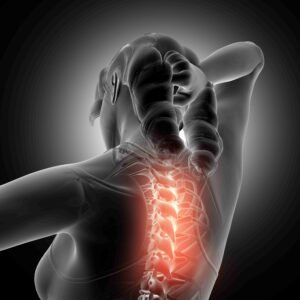
A “slip disc” commonly refers to a bulging, protruding, or herniated intervertebral disc.
The discs between your spinal bones act as cushions and help the spine absorb load during everyday movement. When a disc becomes damaged or displaced, it may irritate nearby structures and produce symptoms such as:
- Lower back pain
- Buttock pain
- Sciatica
- Leg pain
- Tingling or numbness
- Muscle tightness
- Reduced mobility
- Difficulty sitting for prolonged periods
The severity of symptoms does not always correspond directly to what appears on an MRI. A clinical assessment is therefore important.
What Is Spinal Decompression Therapy?
Spinal decompression is a treatment approach intended to reduce loading or pressure through controlled positioning and/or traction of the spine.
Depending on the patient’s condition, a clinician may determine whether decompression or traction is appropriate as part of a broader rehabilitation program.
It should not be considered a universal treatment for every disc problem.
How Can It Help With Disc-Related Pain?
When clinically appropriate, decompression-based treatment may be used alongside rehabilitation to:
- Reduce mechanical stress
- Improve spinal mobility
- Reduce muscle guarding
- Improve tolerance to movement
- Support rehabilitation
- Help patients gradually return to normal activities
The treatment plan should be based on the individual’s symptoms, examination findings, and functional limitations.
Who May Benefit From Spinal Decompression?
Spinal decompression may be considered for some people experiencing:
- Chronic lower back pain
- Disc-related back pain
- Sciatica
- Certain types of disc protrusion
- Spinal stiffness
- Pain aggravated by prolonged sitting
- Reduced spinal mobility
However, an assessment is necessary before deciding whether decompression is suitable.
Spinal Decompression vs. Surgery
One of the biggest concerns for people diagnosed with a disc problem is whether surgery is necessary.
Many people with disc-related back pain can initially be managed conservatively through appropriate exercise, physiotherapy, activity modification, and other non-surgical approaches.
Surgery may be considered when there is significant neurological compromise or when appropriately managed conservative treatment has not produced adequate improvement.
Therefore, spinal decompression should not be promoted as a replacement for surgery in every patient. The correct treatment depends on the diagnosis and severity of the condition.
Comprehensive Slip Disc Treatment at Active Rehab
At Active Rehab Chiropractic & Physiotherapy Centre, spinal care can involve several components rather than relying on a single treatment.
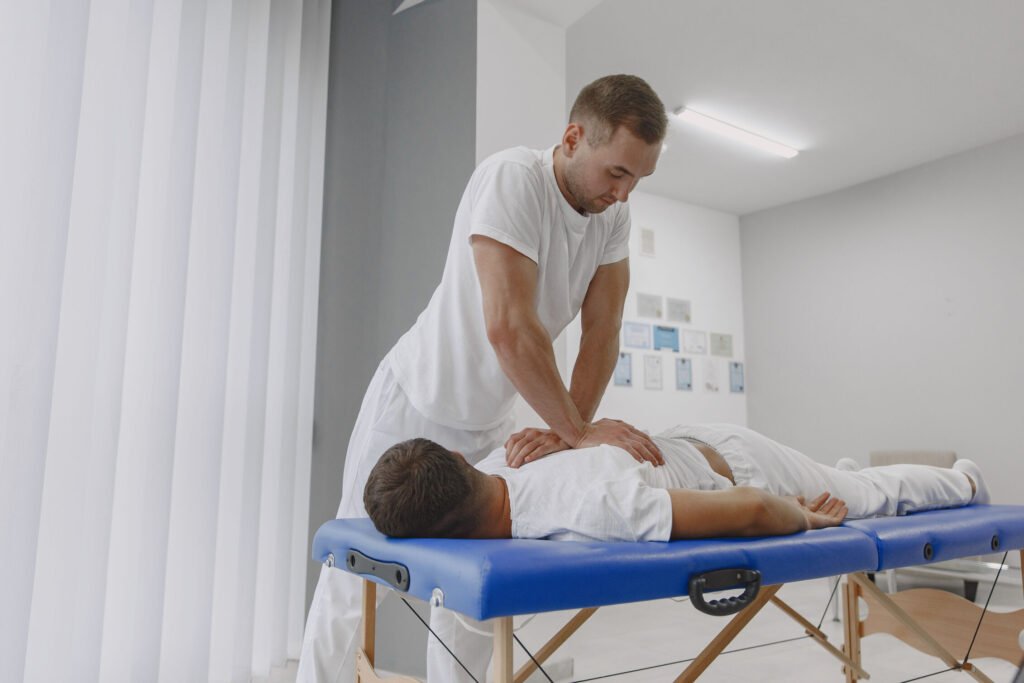
Chiropractic Care
Appropriate chiropractic techniques may help improve spinal and joint mobility when clinically indicated.
Physiotherapy
A structured physiotherapy program can focus on mobility, strength, movement control, and gradual return to normal activity.
Rehabilitation Exercises
Exercises may target the core, hips, and muscles supporting the spine.
Posture Correction
Improving sitting, standing, and lifting habits can reduce unnecessary mechanical stress.
Soft Tissue Therapy
Manual soft-tissue techniques may be incorporated when muscle tightness contributes to movement restrictions.
What Happens During an Assessment?
Before recommending treatment, a clinician may evaluate:
Medical History
Your pain location, duration, aggravating factors, previous injuries, and daily activities are discussed.
Physical Examination
Movement, flexibility, muscle function, and neurological signs may be assessed.
Functional Assessment
Your sitting, walking, bending, lifting, and other relevant movements may be evaluated.
Imaging Review
If you already have an MRI or other imaging, the findings can be considered alongside your clinical symptoms.
Individual Treatment Plan
The appropriate combination of treatment and rehabilitation is then selected according to your condition.
How Long Does Treatment Take?
There is no single treatment duration for everyone.
Recovery depends on:
- Cause of the pain
- Severity of symptoms
- Duration of the problem
- Presence of nerve irritation
- Physical activity
- Treatment adherence
- Sleep and lifestyle factors
Some people improve relatively quickly, while chronic or more complex conditions may require a longer rehabilitation program.
What You Can Do at Home
Treatment is not limited to clinic sessions.
Helpful habits may include:
- Avoiding prolonged sitting
- Taking regular movement breaks
- Following prescribed exercises
- Maintaining appropriate activity levels
- Using good lifting techniques
- Improving workstation ergonomics
- Avoiding movements that significantly aggravate symptoms
Complete bed rest is generally not the preferred long-term strategy for most uncomplicated back pain.
When Should You Seek Immediate Medical Attention?
Disc-related symptoms sometimes require urgent assessment.
Seek immediate medical attention if you develop:
- New loss of bladder or bowel control
- Numbness around the groin or saddle region
- Rapidly worsening leg weakness
- Severe neurological symptoms
- Significant symptoms following major trauma
These symptoms should not be managed with routine chiropractic or decompression treatment alone.
Why Choose Active Rehab in Hyderabad?
ActiveRehab Chiropractic and Physiotherapy Centre Hyderabad provides chiropractic and physiotherapy services from its Kondapur clinic.
The clinic’s website describes its focus on chiropractic, physiotherapy, osteopathy, sports rehabilitation, back pain, posture, and mobility-related care.
Dr. Ashok P. Kota
Treatment is provided under the guidance of Dr. Ashok P. Kota, with a focus on individualized musculoskeletal and rehabilitation care.
Convenient Kondapur Location
Plot No. 1272, 80 Feet Road, Above Burfi Ghar, Rajarajeshwara Colony, Kondapur, Telangana – 500084
The clinic is conveniently located for patients from Kondapur, Gachibowli, Hitech City, Madhapur, Miyapur, and surrounding Hyderabad areas.
Conclusion
Spinal decompression therapy in Hyderabad may be one component of conservative care for selected patients experiencing disc-related back pain. However, effective treatment should go beyond a single technique.
At Active Rehab Chiropractic & Physiotherapy Centre, the focus is on assessment, chiropractic care, physiotherapy, rehabilitation, posture correction, and appropriate lifestyle changes to help patients improve movement and function.
If you’re experiencing persistent back pain, sciatica, or symptoms associated with a diagnosed disc problem, getting an appropriate assessment can help determine the most suitable treatment pathway.
Start Your Recovery
Active Rehab Chiropractic & Physiotherapy Centre
Dr. Ashok P. Kota
Call or WhatsApp: 9000229040
Plot No. 1272, 80 Feet Road, Above Burfi Ghar, Rajarajeshwara Colony, Kondapur, Telangana – 500084
Book an assessment and find out whether a non-surgical rehabilitation approach is appropriate for your slip disc symptoms.
Frequently Asked Questions
Is spinal decompression good for a slip disc?
It may be appropriate for selected patients, but it is not suitable for every disc condition. A clinical assessment should determine whether decompression is appropriate.
Can slip disc be treated without surgery?
Many disc-related conditions can initially be managed with conservative care such as physiotherapy, exercise-based rehabilitation, activity modification, and other clinically appropriate treatments.
How many sessions of spinal decompression are required?
There is no fixed number. Treatment frequency and duration depend on your symptoms, diagnosis, response to treatment, and rehabilitation goals.
Can I exercise with a slip disc?
Many people can remain active, but exercises should be selected according to their symptoms and clinical condition. A physiotherapist can help develop an appropriate program.
Does every herniated disc cause pain?
No. Some people have disc bulges or herniations visible on imaging without significant symptoms. Clinical findings should be considered together with imaging.